




Scooter Ramps & Rails


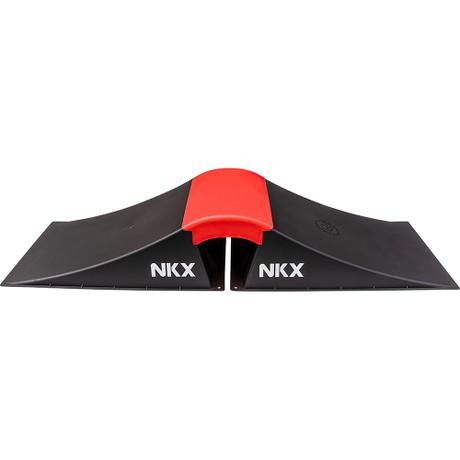


Ramps / Rails for Stunt Scooters
Ramps / Rails for stunt scooters are an easy way to bring a skatepark vibe to your home or the street. With the right setup, you can practice jumps, grinds, and manuals more safely and with better control than on random curbs around town. Here you’ll find a strong selection of ramps and rails designed for both beginners and experienced riders.
Most portable ramps are made of durable plastic or metal and built to handle heavy loads and repeated landings. Rails and grind boxes let you work on balance and technique without relying on rough curbs or railings. Think about the space you have and whether the ramp will mainly be used for scooters or also for skateboards and BMX bikes. If you want to ride both park and street styles, check out our scooters suited for your skill level.
Choosing Ramps / Rails by Level, Safety, and Use
When choosing Ramps / Rails for scooters, key factors include height, length, stability, and portability. Lower ramps are better for beginners and younger riders, while taller and steeper ramps offer more airtime and require greater control.
Use this checklist before deciding:
- Skill level and age – lower ramps and shorter rails for beginners and kids, larger and longer ones for advanced riders.
- Material – plastic is lighter and easier to move, while metal or wood/metal setups feel more like a skatepark environment and are extra durable.
- Size and weight – smaller ramps are ideal for driveways and tight spaces; heavier setups stay in place better but are less portable.
- Surface and grip – look for non-slip surfaces and smooth transitions so your wheels don’t catch on takeoff or landing.
- Load and durability – check the recommended maximum user weight and whether the ramp can handle outdoor storage and changing weather.
- Combination options – modular setups that connect together give you multiple lines and can evolve along with your tricks.
For the best performance, make sure the surface underneath your ramp or rail is flat, solid, and dry. Asphalt or concrete is ideal—avoid uneven paving or gravel. Ensure there’s plenty of room for approach and landing, and always wear a helmet—along with knee and wrist protection—especially when trying new tricks.
The next step is to find the Ramps / Rails model that matches your skill level and riding spot. Choose the setup that fits your space and trick style, and build your own mini street or park setup where you can practice safely and often.