




Scooter Brakes


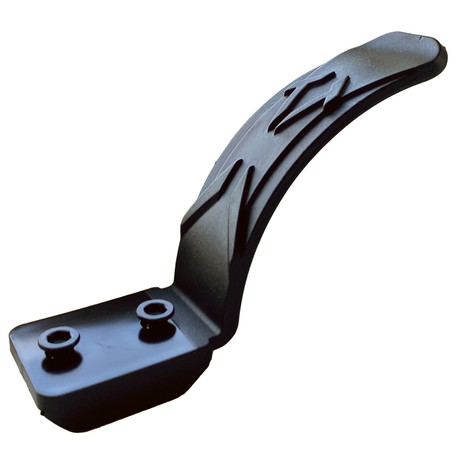


Scooter Brake - Safety and Control
A well-functioning brake is essential for safety on your scooter, whether you ride in the park, on the street, or for your daily commute. Here you'll find a solid selection of scooter brakes, making it easy to replace a worn-out brake or upgrade to one that fits your riding style. The key is choosing a brake that matches your deck, wheels, and the way you ride.
Most scooters use either flex fender brakes or spring brakes, which are mounted directly onto the deck. When a brake wears down, it can reduce braking performance, create noise, or even start damaging the tire. Installing a new brake extends the life of your wheels and improves your control when stopping.
Always choose a brake that's compatible with your deck and wheels, and check the measurements and mounting holes before ordering. That way, you'll get a setup that's easy to install and performs at its best from the very first ride.
How to Choose the Right Brake
When selecting a brake for your scooter, it's important to consider the size, type, and how you'll use it. Use the points below as a quick checklist before adding it to your cart:
- Wheel size: Make sure the brake is designed for your scooter's wheel size—typically 100 mm, 110 mm, or 120 mm.
- Deck compatibility: The hole placement, width, and length of the brake must match your deck and its mounting system.
- Brake system: Choose between a flex fender, which is simpler and more durable, or a spring brake, which offers a firmer and more responsive feel.
- Material and durability: Steel and aluminum are the most common materials. Steel is generally more durable, while aluminum is lighter.
- Riding style and skill level: For heavy park and street riding, pick a robust brake that can handle repeated landings and hard use.
- Mounting: Decide whether you need bolts and small parts included or if you'll reuse the ones you already have.
If you're unsure, compare the measurements of your old brake with the specifications of the new one. That way, you'll avoid ending up with parts that don't fit properly.
Safe Use, Maintenance, and Replacement
A properly adjusted and intact brake improves both safety and riding comfort. Check regularly that it's tight, not cracked, and not worn down enough to hit the wheel incorrectly. If you notice vibrations, poor braking performance, or visible wear, it's time to replace it.
When installing, tighten the bolts securely but don't overtighten them—you don't want to damage the threads or the deck. Always use proper tools, and test the brake gently at low speed before riding at full pace or doing tricks.
Whether you're a beginner or an experienced rider, a good brake is a crucial part of your scooter setup. Choose the model that fits your scooter and riding style, and keep your scooter stopping smoothly and safely whenever you need it.