




Scooter Decks

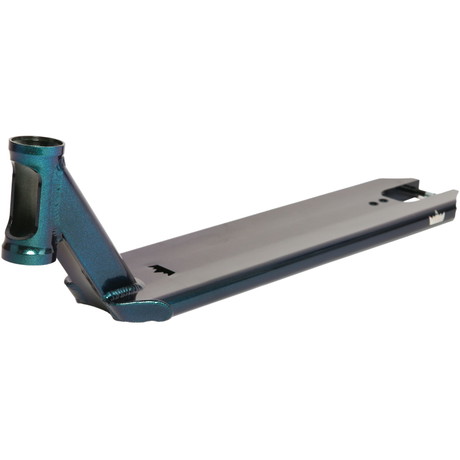
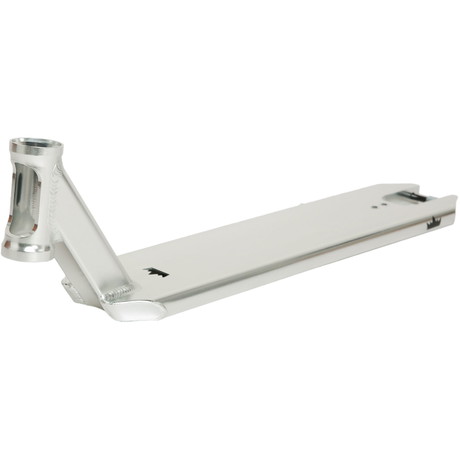


Decks for scooters - the foundation of your setup
The deck is the foundation of your setup since it’s where you stand, land tricks, and control the overall feel of the scooter. In this category, you’ll find a wide range of models and sizes that let you build or upgrade a scooter that fits your riding style, height, and skill level perfectly. Whether you ride park, street, or just want a tougher scooter for everyday use, the right setup starts with the deck.
How to choose the right deck
When choosing a deck, it’s all about compatibility, size, and strength. Most decks are made from aluminum to combine low weight with high durability, but shape, length, and width vary a lot. This affects stability, balance in the air, and how easily the scooter maneuvers.
Pay special attention to the following factors when comparing decks:
- Length (cm) - shorter decks are more playful and easier to whip, while longer decks provide more stability and foot room.
- Width (cm) - narrower decks are ideal for technical park riding, while wider options are better for street and rails, giving you more control during grinds.
- Head tube angle - a steeper angle allows faster, more responsive steering, while a shallower angle feels steadier and more relaxed.
- Compatible wheel sizes - check the recommended wheel diameter and width to make sure your current or future wheels fit properly.
- Brake/foot fender type - choose between a classic brake or a fender depending on whether you brake often or prefer a clean foot placement.
- Weight and construction - lightweight decks are great for park and tricks, while slightly heavier, sturdier builds are preferred for demanding street riding.
Always check the specs for the head tube (integrated/non-integrated), wheel compatibility, and spacer setup to ensure the deck fits your current fork, headset, and wheels.
Types of decks and use: park, street, and all-around
There are three main directions when choosing a deck: park, street, and all-around. Park decks are usually narrower and shorter, built for low weight and quick rotations for tricks on ramps and boxes. Street decks are generally longer and wider, with square dropouts and more grind surface for rails and ledges.
All-around decks sit in the middle and are perfect if you ride both park and street or want one scooter for school, commuting, and sessions at the skatepark. Also, consider where and how often you ride - daily use on asphalt with curbs and stairs requires more wear resistance than occasional indoor sessions.
Durability depends on both quality and your riding style. If you ride heavy street with big drops and frequent grinds, a slightly heavier, stronger deck can be an advantage. Lightweight park decks, on the other hand, need smooth landings and careful handling to avoid overloading the deck.
Level, safety, and practical use
For beginners, a stable deck with a bit of extra length and width is often easier to learn on, offering a more secure stance. Experienced riders and pros tend to go for specialized decks tailored to their style, like ultra-light park setups or sturdy street platforms.
Safety goes hand in hand with proper assembly and maintenance. Make sure all bolts are tightened correctly, the wheels spin freely without rubbing the deck, and that there are no visible cracks or damage after hard landings. Regularly inspect the head tube area and the underside of the deck, especially if you grind a lot.
Once you’ve found the right deck, the next step is to pair it with matching wheels, a fork, bar, and clamp so your scooter setup works seamlessly. Build your scooter around your main focus - park, street, or all-around - and create the setup that’s best for your skill level and riding style.