


Basketball Hoops & Stands


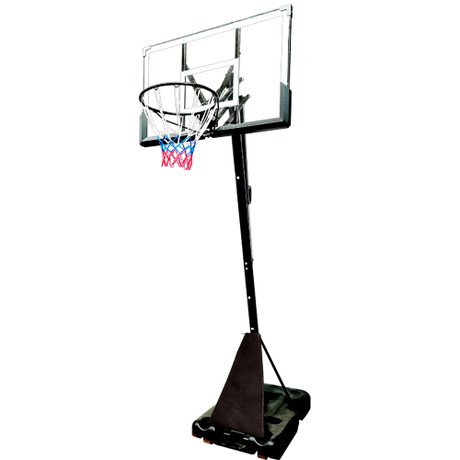
Basketball stands for the yard, driveway, and street basketball
A basketball stand is a free-standing setup with a base, pole, backboard, and hoop that lets you play and practice without needing a hoop fixed to a wall or the ground. With a basketball stand, families, teens, and adults can play in the yard, on the driveway, or in a quiet street or parking area. Outdoors, you’ll have the space for shots, layups, and small games without being tied to a gym or club.
With the right model, you can create the feel of a home court with the correct distance to the hoop and room to move safely around the stand. This means considering the surface, clear height, and how much space is available around the hoop.
Types of basketball stands for kids, families, and training
For younger kids, there are lower and lighter models where the hoop height can usually be lowered to around 40–65 inches, letting them reach the rim with child-sized balls. The focus here is on easy adjustment, low weight, and forgiving materials so the youngest players can have fun learning the game.
Family and hybrid models cover a wide height range, often from about 65 inches up to nearly the official hoop height of 10 feet. They have a sturdier base, thicker pole, and a backboard that can handle stronger shots, so kids, teens, and adults can all share the same stand.
For serious training, there are robust stands with a stable base, rigid pole, and larger backboard, providing more realistic bounce and shot precision. These models are ideal for experienced players, schoolyards, and club settings where technical and physical training is more demanding. For drills and outdoor play, high-quality basketball balls make a big difference.
How to choose the right basketball stand for your needs
The best choice matches height, stability, and flexibility to both the players and the environment where the stand will be used. Whether you play street ball or organized basketball, consider how adjustable and easy to store your stand should be.
- Height range: Pick a model with a minimum height that works for your youngest player and a maximum height that challenges the oldest. Check if it can reach close to 10 feet if you plan to practice seriously.
- Adjustability: Check how easily you can adjust the hoop height and whether tools are needed. Quick adjustment is convenient when multiple age groups use the same stand.
- Base and stability: A heavy base that can be filled with water or sand provides steadier play and reduces tipping. Consider the volume and weight so it stays stable yet movable.
- Backboard and hoop: The size and material of the backboard affect rebound and play feel. A solid hoop with a net and possibly a spring gives better durability for powerful dunks and frequent shots.
- Mobility: Wheels on the base make it easy to roll the stand aside when parking, mowing the lawn, or clearing snow.
- Weather resistance: Choose materials that can stand up to rain, sun, and frost, and check that metal parts are well protected from rust so your stand lasts for many seasons.
Also, think about the surface. A firm, even base such as asphalt, concrete pavers, or compacted gravel provides the best stability and the lowest risk of the stand sinking or tipping. That’s a plus when you play outdoor sports all year long.
Assembly, safety, and durability of basketball stands
Most stands arrive in sections with a base, pole, backboard, hoop, and small hardware, which you assemble using bolts and nuts. You’ll typically need standard hand tools like wrenches, a screwdriver, and possibly a rubber mallet. Plan ahead where to place the stand and ensure there’s enough room to lay out and assemble all parts.
For safe setup, fill the base completely as instructed and check that all screws are tightened. Make sure there’s enough clear height above the hoop and good distance from walls, fences, windows, and traffic to prevent collisions during play.
For maintenance, regularly check bolts, tighten as needed, and inspect the net, hoop, and backboard for cracks or sharp edges. During the off-season, it’s smart to empty the base, lower the pole, and move the stand to a sheltered area out of strong wind. This helps it last longer and stay ready for the next season.