




Scooter Pegs


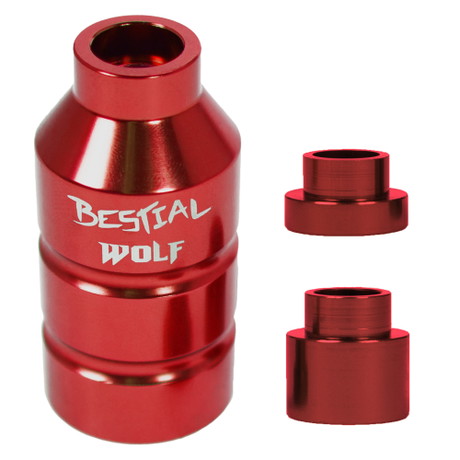
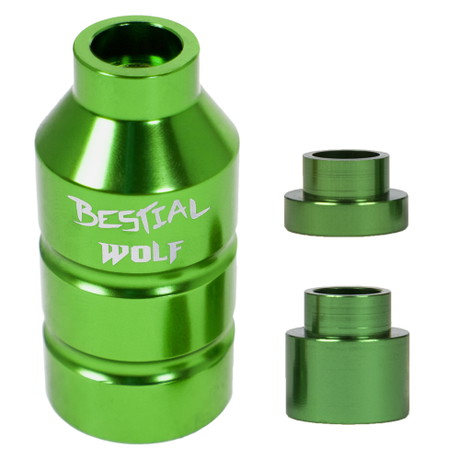
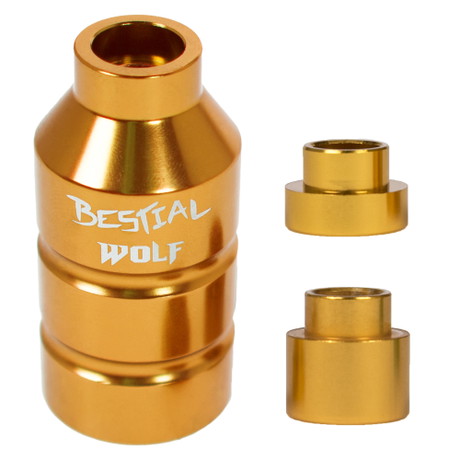
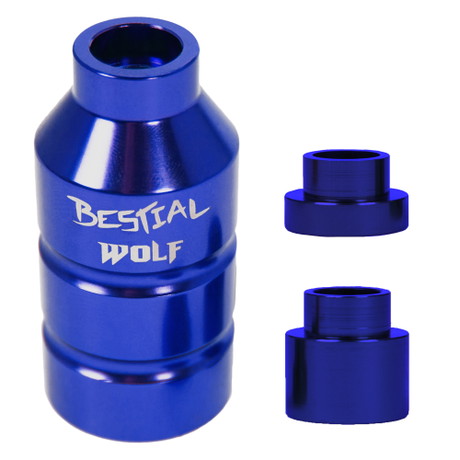
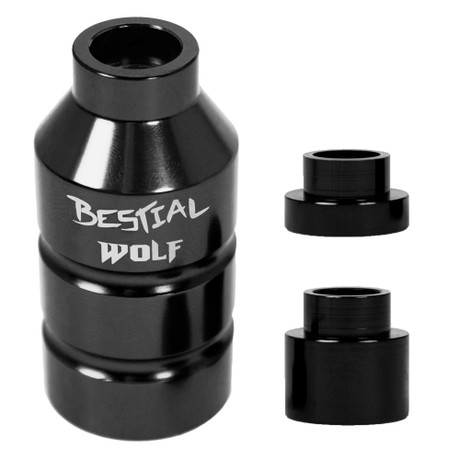
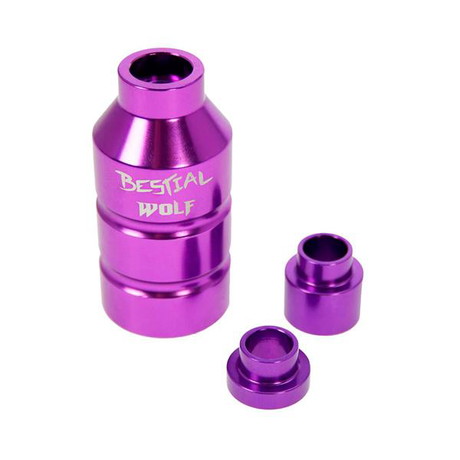


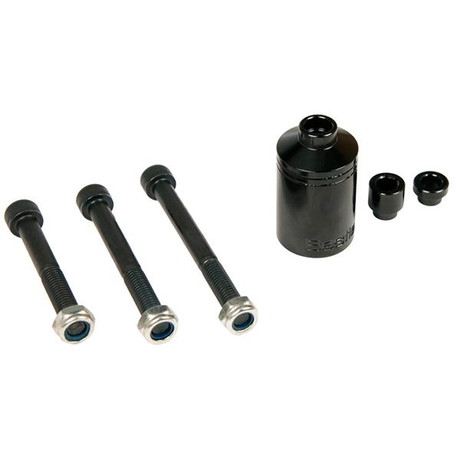


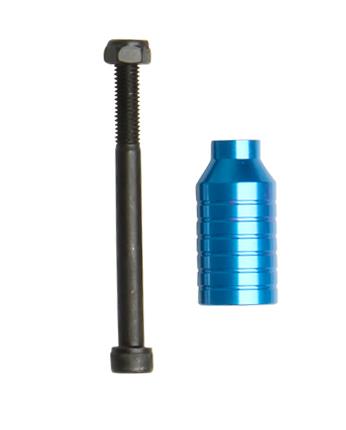

What are scooter pegs and why use them?
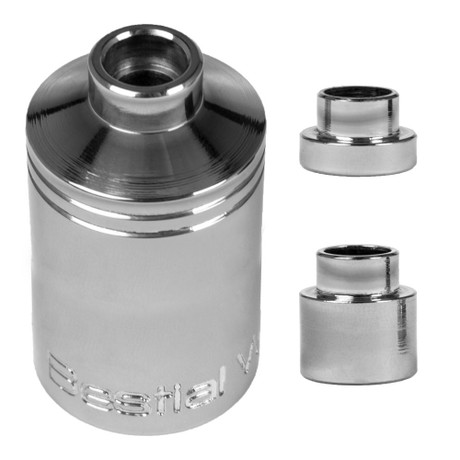
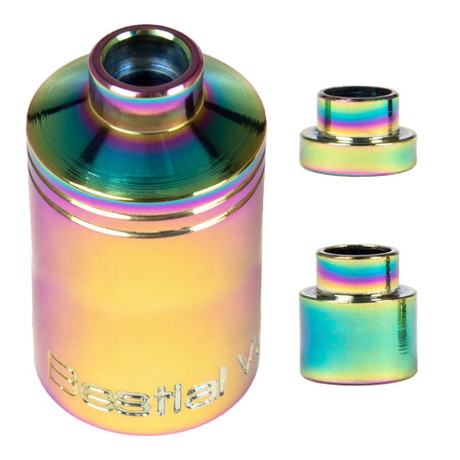
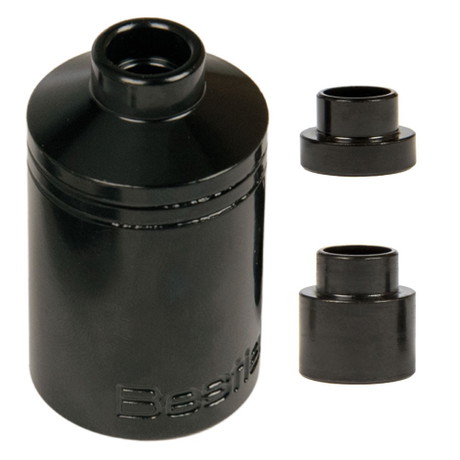
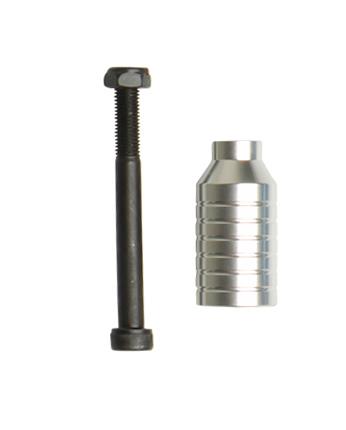
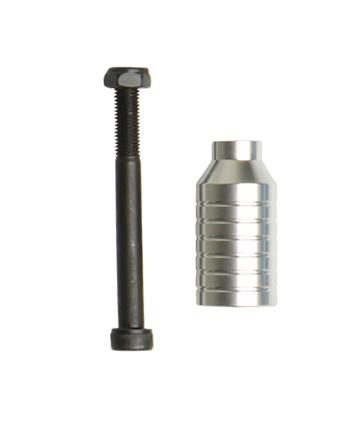
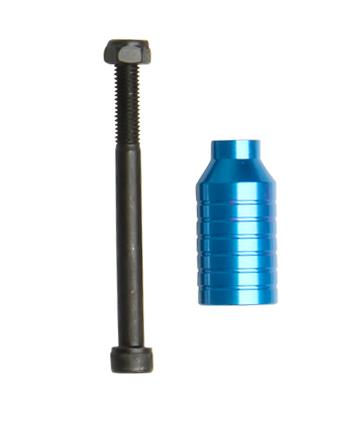
Pegs for scooters are small metal or aluminum tubes mounted on the wheel axles to make it easier to perform grinds, stalls, and manuals. They’re primarily used on trick and stunt scooters in skateparks and on the street, where control and durability matter most. Here, you’ll find a range of great options for different setups.
In this category, you’ll discover a solid selection of pegs for various wheel and fork types, letting you customize your setup to your riding style. Whether you want pegs on the front, back, or all four wheels, it’s about choosing the right length, the right material, and the proper compatibility with your scooter.
How to choose the right pegs
The key when choosing pegs is ensuring they fit your deck, wheels, and axle bolts—and that they can handle your riding style. Pay close attention to the following points when comparing models:
- Axle and wheel compatibility – check if the peg matches the axle bolt diameter and wheel width so there’s enough space for the wheel, spacer, and peg.
- Peg length – shorter pegs are lighter and more stable for technical tricks, while longer pegs provide more room for grinds but can catch more easily on edges.
- Material – aluminum is lightweight and perfect for controlled park tricks, while steel is heavier but much more durable for rough street grinds.
- Durability and use – if you ride a lot of rails and curbs, go for pegs made from a strong alloy with solid wall thickness so they don’t wear down too fast.
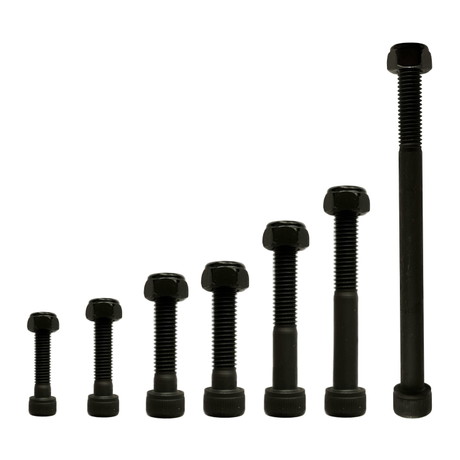
- Mounting and hardware – check whether longer axle bolts are included or if you’ll need to buy them separately, ensuring you can mount the pegs securely without any looseness.
Also consider weight versus strength: lighter pegs make your scooter more responsive, while heavier steel pegs often offer better stability and a longer lifespan—especially for advanced riders.
Rider level, style, and safe use
Beginners can start using pegs safely, but you should master basic jumps and balance before attempting grinds. For park riding, many prefer shorter, lighter pegs for quick rotations, while street riders often choose slightly longer and stronger pegs for rails, walls, and curbs.
Always ride with an approved helmet and, ideally, knee and shin protection since mistakes on rails and edges can easily cause impact injuries. Regularly check that the bolts are tightened properly and that the pegs aren’t cracked or worn thin enough to break.
Once you’ve found the pegs that fit your skill level and riding style, mount them correctly, test them thoroughly, and gradually build up your grinds and stalls for the best performance.