


Soccer Balls

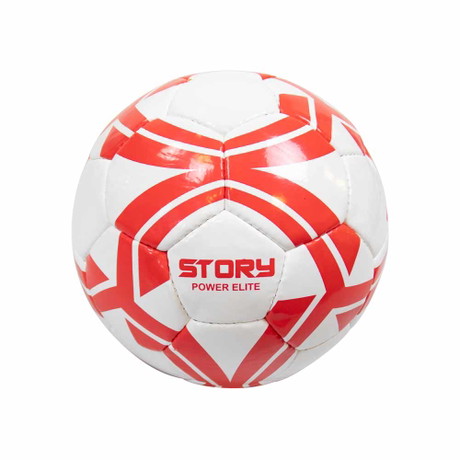
Balls - Soccer - Outdoor Sports for Training, Matches, and Play
Soccer balls and other types of outdoor sports balls include options for both serious training and casual play in the yard, on gravel fields, at school, or on the beach. The selection suits kids, teens, and adults who want a ball that fits their skill level and the surface they play on.
Here you'll find options for technical training, small-sided games, and match situations, as well as durable balls for recess games and laid-back play on hard surfaces. The goal is to make it easy to pick a ball that feels right under your foot, keeps its shape, and matches your playing style.
Types of Balls and Choosing the Right Size
Match balls are engineered for precise flight, consistent bounce, and a reliable touch with every strike. They perform best on natural or artificial grass where the surface is even and the ball needs to respond predictably at high speed.
Training balls follow the same basic design but are often slightly more durable to handle frequent use and changing weather. They're perfect for club practices, drills, and small-sided games where control and touch are key.
Schoolyard balls and versions made for asphalt, concrete, and other hard surfaces have extra-tough outer layers and often a firmer core. This ensures a longer lifespan and controlled bounce, even when the ball hits edges or uneven ground.
Balls made for beach and street soccer are typically softer and have textured surfaces that provide solid grip for both feet and hands. This makes play more comfortable barefoot and gives better control on loose sand and unpredictable ground.
Choosing the right size mostly depends on age and height. Younger players usually train with smaller, lighter balls to reduce strain on feet and joints, while larger balls give youth and adult players a more realistic game feel and longer kicks.
When selecting a ball, consider the following factors:
- Size – choose a smaller ball for kids and beginners, larger for youth and adults
- Surface – grass and turf require different materials than asphalt, tile, or sand
- Material – softer materials improve touch, harder materials increase durability
- Stitching and bonding – affect shape retention and water resistance
- Air pressure – adjust depending on whether the ball is for training, matches, or casual play
- Skill level – more accurate balls suit experienced players; more forgiving ones are ideal for beginners
Material, Construction, and Maintenance
PU surfaces generally provide a soft, slightly cushioned feel and great control on first contact. Other synthetic covers might feel firmer but often boost durability, especially on hard or rough ground where friction is higher.
Machine-stitched panels ensure consistent quality and are a solid choice for training and school use. Hand-stitched panels deliver a precise shape and a flexible surface that feels comfortable for dribbling and quick moves. Thermally bonded panels are built without traditional seams, creating a smoother surface that improves aerodynamics, reduces water absorption in wet conditions, and extends lifespan on grass and turf fields.
Ball pressure affects both control and safety. A slightly underinflated ball feels softer and is easier to receive, while proper inflation within the manufacturer's recommendations ensures optimal bounce and accuracy during shots, crosses, and long passes. Always inflate using a proper valve needle, moisten it lightly, and stay within the recommended pressure range.
After playing on wet grass or sand, wipe the ball dry at room temperature and store it in a dry place away from direct sunlight and big temperature swings. This protects materials and seams so shape and bounce stay consistent. Choose your ball based on how often you play, the surface you use most, and whether your focus is on play, training, or performance — to get the right fit for your style, goals, and playing environment.