







Pro


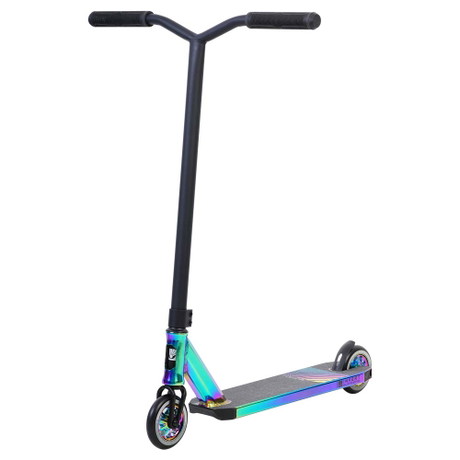

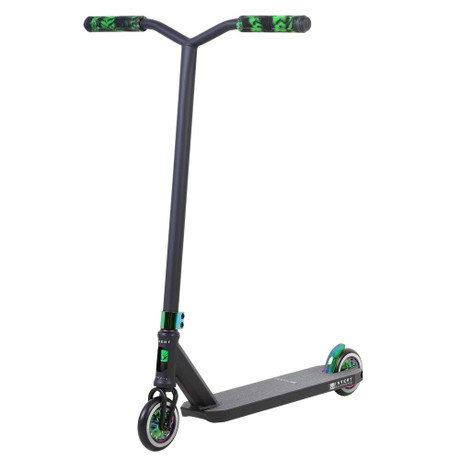


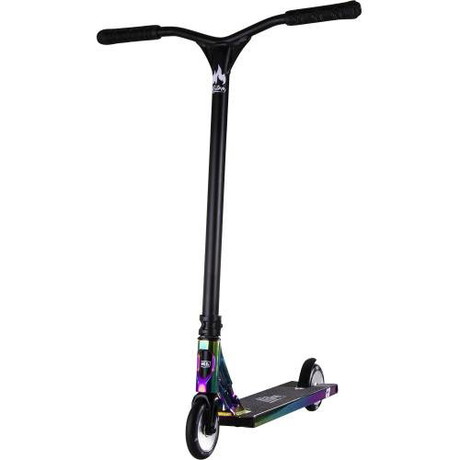


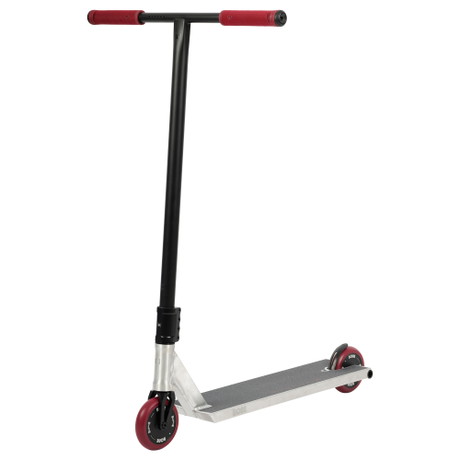


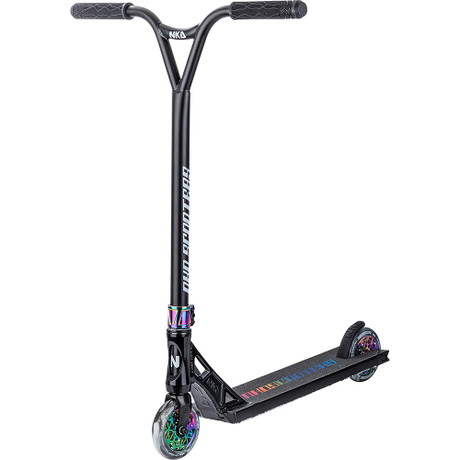


Stunt scooters for park and street
Here you'll find complete stunt scooters ready to ride straight out of the box. They're built for jumps, grinds, and technical tricks—not for long-distance commuting. A complete setup is a great choice if you want a proven combination of deck, bar, wheels, and compression without having to assemble everything yourself. You can always upgrade with new wheels when the old ones wear out or if you want to change the ride feel.
A stunt scooter is generally more durable than a regular scooter, yet still light enough for spins and whips. Safety and longevity are closely linked to material quality and precision fit, so it's worth choosing carefully from the start—especially if the scooter will be used at the skatepark several times a week.
How to choose the right stunt scooter
The most important factors are size, durability, and skill level. A scooter with the right height and weight for the rider is easier to control and safer when landing tricks. At the same time, the bars and materials should match how often and how intensely you ride.
Pay close attention to the following when comparing models:
- Rider height and bar height As a rule of thumb, the bars should reach somewhere between the rider's hips and belly button when standing on the deck, allowing good control without lifting the shoulders.
- Deck length and width Shorter and narrower decks are lighter and more agile for technical park tricks, while slightly larger decks provide better stability—especially for street riding and longer grinds.
- Material and weight Most stunt scooters are made of aluminum, combining low weight with strength. Check the total weight if you want an ultra-light setup for fast rotation tricks.
- Compression system HIC, IHC, SCS, and others affect how easy it is to adjust, as well as how stiff and durable the front end feels. More advanced systems are typically preferred by intermediate and experienced riders.
- Wheel size and hardness Larger wheels, for example 110–120 mm, roll faster and more smoothly, while harder wheels usually deliver more speed and better wear resistance for park use.
- Maximum load Check the recommended maximum rider weight to ensure the scooter matches the rider's build and style, providing the necessary strength and durability.
If you're deciding between two sizes, it's usually best to choose the one that's closest to the recommended bar height while also considering whether the rider is likely to grow significantly over the next season.
Skill level, riding style, and safety
For beginners, a complete stunt scooter is the easiest entry into the sport—you get a well-balanced setup that's stable and easy to handle. Intermediate riders can start focusing more specifically on weight, wheels, and deck styles depending on whether they mostly ride park (ramps, bowls) or street (curbs, rails, stairs). Experienced riders often prefer stronger decks, specific bar types, and compression systems that stand up to frequent and heavy use.
Stunt scooters are made to handle jumps, landings, and hard impacts, but their lifespan depends on your technique, weight, and how often you ride. Regularly tightening the clamp, wheel bolts, and headset—and replacing worn wheels or grip tape—is part of basic maintenance.
Safety goes hand in hand with both your gear and your riding. Always wear a certified helmet, and ideally add knee, elbow, and wrist protection—especially if you're new or riding in parks. Start by practicing control and simple tricks before moving on to bigger ramps or higher drops.
Once you've got the size, skill level, and riding style sorted, pick the stunt scooter from our range that fits you best—and start working on your next moves right away.