




Backpacks
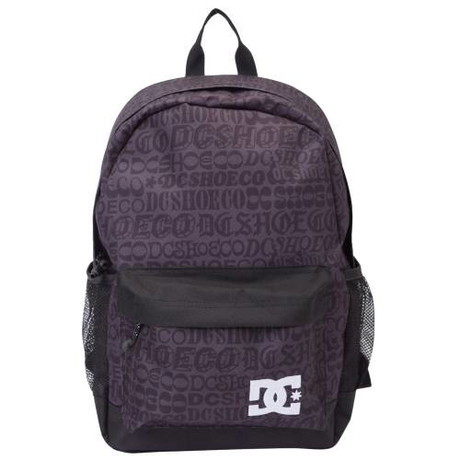
Backpacks for Kitesurfing and Boardsports
Backpacks for kitesurfing and boardsports are built to stand up to sand, saltwater, impacts, and changing weather while keeping your gear protected. They’re ideal for kitesurfers, skaters, snowriders, and anyone who needs a bag that also works for school, work, or travel. While a standard school backpack is mainly designed for carrying books and a laptop, boardsport backpacks are made to handle wet and dirty gear, heavy hardware, and extra weight without feeling uncomfortable. You’ll usually get more durable materials, a better support system, and smartly designed compartments for a pump, wetsuit, helmet, and small essentials. You can find more backpacks under Backpacks and other types of bags under Bags and Clothing.
Types of Backpacks and Bags for Kitesurfing
For kitesurfing and boardsports, it’s common to use several bags together so your gear stays organized and easy to handle. A classic daypack is your go-to backpack for your laptop, change of clothes, and smaller gear when heading to the spot or school. A dedicated kite backpack is shaped to hold a kite, bar, and pump, letting you quickly pack and transport a complete setup. Waterproof backpacks protect dry clothes, electronics, and valuables when everything else is wet or sandy.
Duffel bags are great for the car or travel since they can fully open to give you an overview of your wetsuit, harness, and accessories. Quiver bags store several kites and lines in one place, making it easier to manage a larger setup. These different types of bags often work together with board bags, which protect the board itself and possibly fins and pads, while your backpack carries the rest of your gear and personal items.
How to Choose and Use Backpacks for Your Kitesurf Setup
Your backpack choice starts with volume. Smaller backpacks of about 20 to 30 liters are great for everyday use, skating, and light sessions, while 30 to 45 liters work well as a combination bag for kitesurfing, commuting, and short trips. For travel and full setups, larger backpacks and duffels can make room for multiple kites, a wetsuit, harness, and a change of clothes.
- Volume and storage space - choose the size based on whether you need to carry one kite, a full setup, or everyday items as well.
- Fit and ergonomics - padded shoulder straps, a hip belt, and a chest strap make heavy gear more comfortable to carry, especially for kids and smaller riders.
- Materials and durability - strong fabrics, reinforced bottoms, and sturdy zippers hold up to sand, salt, and demanding use.
- Water protection - a water-resistant or waterproof design is key if you want to keep electronics and dry clothing safe.
- Organization - separate compartments for wet and dry gear, plus pockets for a pump, bar, and small essentials, make packing faster and simpler.
- Usage scenario - go for low weight and simplicity for the beach, or more padding and organization for travel and daily use.
Beginners often do well with a versatile daypack or waterproof backpack, while more experienced riders with multiple kites may want an additional kite backpack or quiver bag. On the beach, it’s smart to pack heavier gear closest to your back and at the bottom of the bag for better balance, especially when walking long distances in sand. Keep sharp items like fins and tools in separate compartments or sleeves so they don’t cut into the fabric or lines. When traveling, pack your backpack with the most fragile gear and personal belongings, while tougher equipment goes in the board bag. For daily use, a sports-oriented backpack provides better comfort on a bike or skateboard because the support system is designed for active movement. To extend the life of your backpack, rinse it in fresh water after trips with lots of salt and sand, then let it dry completely at room temperature. Avoid leaving wet gear sealed inside for long periods, as that wears out materials and zippers. Regularly check seams, buckles, and straps so you can spot wear early and make repairs before anything breaks during transport. Once you’ve settled on volume, comfort, and maintenance, you’re ready to pick the backpacks that fit your kitesurfing and boardsports setup best.