




Ski Pants

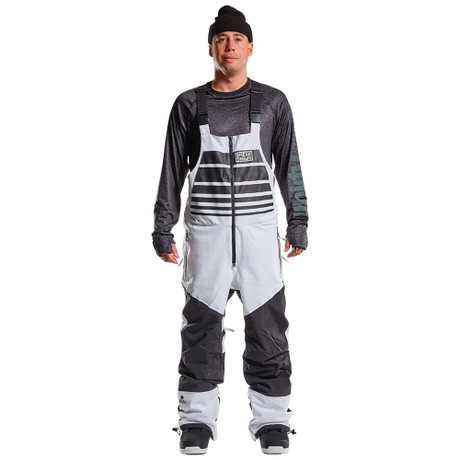


Ski pants for everything from groomers to the park
Ski pants are your most important layer from the waist down when skiing or snowboarding. When choosing ski pants for winter sports and other clothing, make sure they keep you dry, warm, and allow full freedom of movement—whether you are carving down blue runs, exploring off-trail, or spending time in the park. Here you will find a variety of models for both beginners and advanced riders, so you can match your pants to your style and skill level.
All ski pants in this category focus on weather protection, durability, and functional details such as snow gaiters, ventilation zippers, and an adjustable fit. You can choose between more insulated styles for cold days and lightweight shell pants for active skiing or milder weather. Remember that good clothing for your upper body and hands enhances comfort throughout the day—complete your outfit with warm gloves.
How to choose the right ski pants
Before choosing ski pants, think about how and how often you ski. If you ski intensively, you will benefit from high breathability and flexible materials, while for slower skiing and time spent in lift lines, extra insulation may be a priority. Also consider whether you will use the pants for skiing, snowboarding, or other winter sports. Combine them with warm headwear to stay comfortable.
Below are some key factors to help you choose wisely:
- Fit and size: Choose between slim, regular, or looser baggy fits. Make sure there is enough room for thermal underwear and possibly a mid-layer without the pants feeling tight around the knees and hips.
- Insulation: Lightly padded pants are perfect for active skiing and spring conditions, while heavier insulation suits colder weather and temperatures down to 14°F or lower. Shell pants without insulation work well with flexible layering underneath.
- Waterproof rating and weather protection: The higher the waterproof rating (e.g., 10,000–20,000 mm), the better the pants will resist wet snow, sleet, and rain. Taped seams and water-resistant zippers further enhance protection.
- Breathability: High breathability and ventilation zippers are important if you sweat easily, go touring, or spend time in the park and off-trail.
- Safety and durability features: Reinforced panels around the ankles, space for back and hip protectors, and reflective details add both safety and long-lasting performance.
For beginners, warm insulation, a simple fit, and durable materials that can handle multiple falls are often the best choice. More advanced skiers and experts typically go for technical materials focused on low weight, freedom of movement, and high breathability—especially for off-trail and park riding.
Usage, layering, and practical aspects
Ski pants perform best as part of a layering system. Use a moisture-wicking base layer and, if needed, a thin mid-layer underneath so you can regulate warmth according to temperature and activity level. On very cold days, pair thicker thermal wear with insulated pants, while shell pants combined with light layers are ideal for spring skiing and touring. Do not forget to complement them with warm clothing for your feet.
Also consider features such as a high back panel, adjustable waist, belt loops, and jacket-to-pant connections. These add comfort and help keep snow out if you fall or ride in deep powder. Snow gaiters at the ankles and enough room for ski or snowboard boots are also key to preventing snow from getting into your footwear.
Choose ski pants that fit your typical weather conditions, skill level, and riding style—that way you will get the most out of your time on the mountain and stay focused on skiing instead of getting cold or wet.